Betterness Acupuncture & Herbs

  • Practitioners
    • Dr Giles Sadler (TCM)
  • Consultations
  • Therapies
    • Acupuncture
    • Herbal medicine
    • Cupping
    • Scraping
    • Moxibustion
  • Common conditions
    • pain
    • back pain
    • knee pain
    • Migraine prevention
    • IBS acupuncture and herbs
    • Women’s Health
    • fertility – conceive naturally
    • Recurrent UTI’s
    • Plantar fasciitis
    • hayfever acupuncture
    • jaw problems
    • surgery rehabilitation with acupuncture
    • personal growth acupuncture
  • Posts
  • FAQs

May 8, 2016 by Giles

natural food medicine

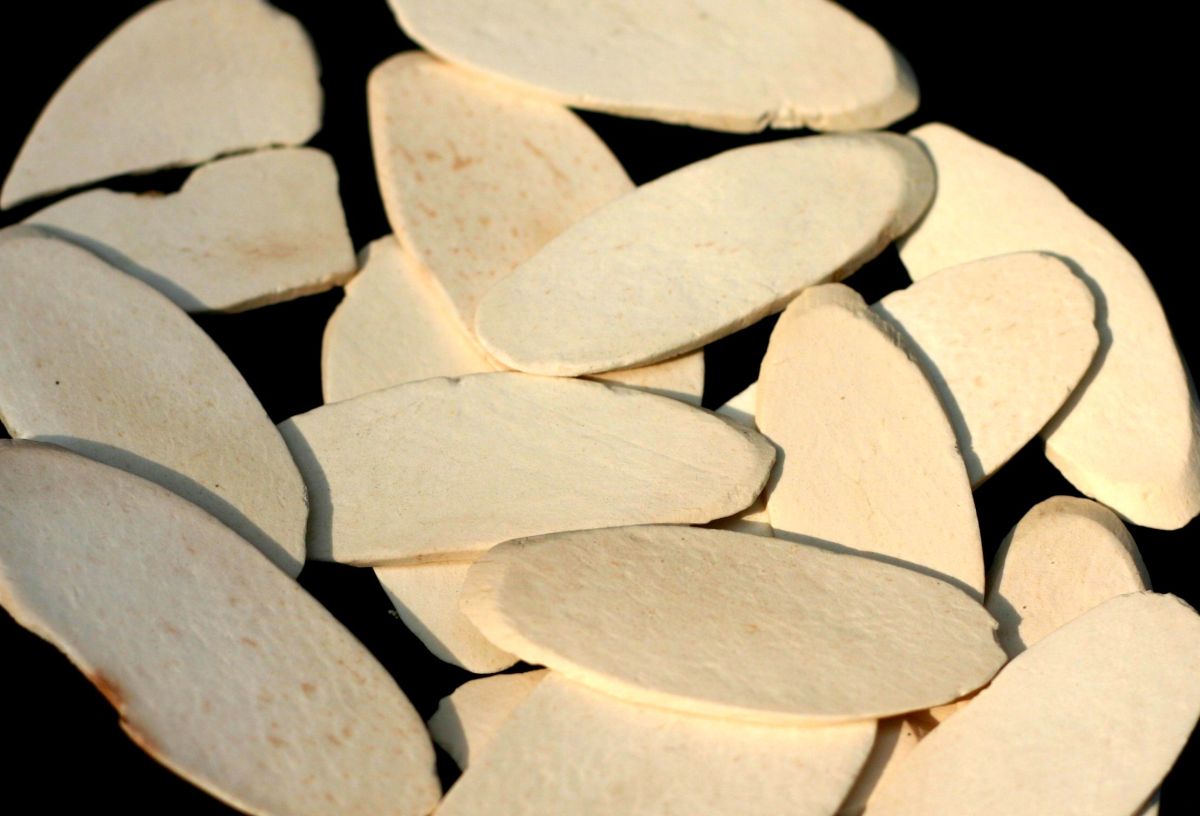
Chinese-Yamchinese-yam-shan-yao-Dioscorea-Opposita

Natural food is medicine. In herbal medicine food herbs are the ones that can be used for general well-being. Mountain yam is one.

Chinese medicine isn’t big on unnecessary supplementation. It doesn’t create superfoods that are held out to be universal panaceas, and then encourage indiscriminate consumption of them. Instead it is well known that people who naively take a lot of strong tonics such as ginseng, reishi mushroom, or horny goat weed often harm themselves and need professional treatment. However there are medicinals that are classed as food herbs because their effects are gentle, and these are traditionally consumed as part of a balanced diet. They are used moderately though, and just as some foods are not the best for some people, they are sometimes inappropriate additions to some peoples’ diets.

My favourite is mountain yam or shan yao. When I was living in Japan I used to cook fresh mountain yam with chicken or pork. It’s delicious so I was eating it before I knew it was a herbal medicinal. The school Judo coach advocated eating it for strength and stamina, and as it is a food rather than a medicinal supplement there is nothing wrong with his advice.

Shan yao improves digestion and respiration, and supplements the deep reserves of endurance or resilience. It strengthens the back and knees, and improves reproductive health. As it moistens as well as strengthens it is more balanced than some tonic medicinals that are warm and drying, and is thermally neutral so won’t upset those who tend to get a bit too hot or cold. It is particularly appropriate for those whose digestion or respiration is a bit weak and tend to have loose stools or chronic breathing difficulties. It also limits pathological fluid emissions such as excessive sweating or urination. So while it is a healthy addition to most people’s diets, it is not appropriate for those who have something that they need to sweat out so people with colds, acute respiratory conditions, or excessive urination because of heat or infection shouldn’t eat too much of it.

The dried yam can be rehydrated and added to soups or stews. Sometimes I just grind it up and cook it with rice. Next weekend I’ll head out to the Footscray markets to see if I can find some fresh shan yao.
Filed Under: Uncategorized

February 17, 2016 by Giles

bindi for health

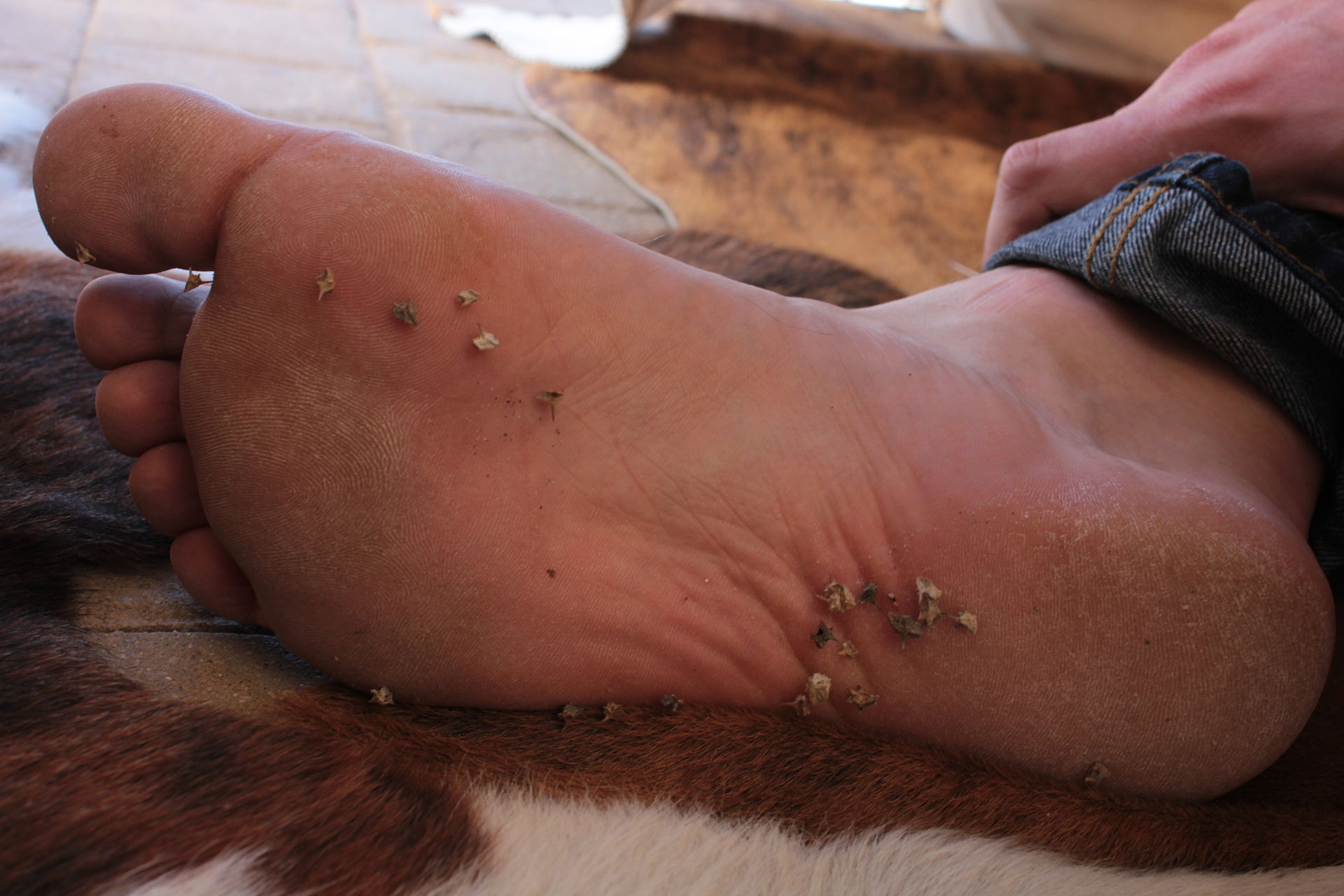
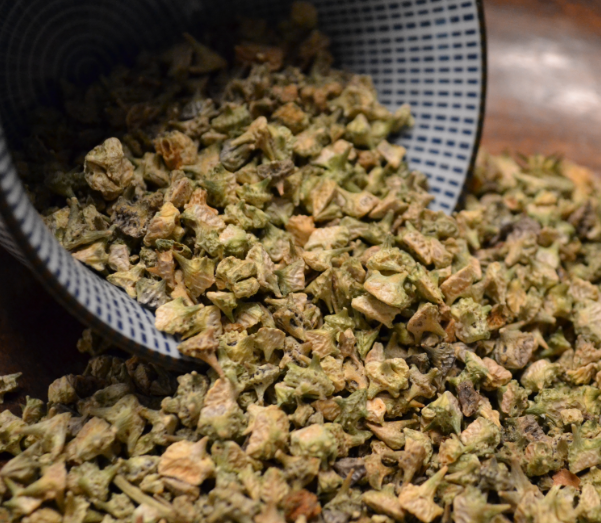
Tribulus_terrestris_nutlets_in_foot,_Marfa,_TexasCropped_Bai_Ji_Li

When I first started studying Chinese Medicine a weight-training Chiropractic student asked me about the effect of tribulus terrestis supplements on testosterone production. While I knew that it had been claimed to increase levels of endogenous testosterone, and that it was said that Eastern European strength athletes were dedicated users, I had to tell him that the scientific literature didn’t support such a claim, and that its Chinese Medicine properties did not suggest that it would have that kind of biological effect.

While I no longer have access to the academic databases that I had at University, a quick google scholar search suggests that there is still not the kind of evidence that is demanded of a biological agent’s effectiveness:
http://www.tandfonline.com/doi/abs/10.3109/19390211.2014.887602

Some years before I had asked an experienced Chinese doctor, the redoubtable Phillip Chu, about using tribulus as a supplement. He had a way of asking, “Why?” that suggested the question was foolish, and told me to trust the nutitrion of healthy foods. I’ll discuss this a bit more some other time.

However I was recently told that a major pharmaceutical company was planning to market a tribulus extract to improve male sexual function and fertility. Again I do not have good academic search capabilities these days, but I did find a review that concluded that evidence is emerging that tribulus may have aphrodisiac effects without affecting testosterone levels, but couldn’t find meta-analysis of effects on indicators of reproductive health such as sperm counts and motility. Presumably the pharmaceutical company has conducted its own trials to support its marketing.

There is something interesting to this from a Chinese Medicine perspective. While there are popular patent medicines sold to improve male reproductive health that have effects that could correspond to boosting androgen levels, most Western males who consult a Chinese Medicine practitioner to improve their reproductive health are treated with medicinals and acupuncture protocols that cool, calm, moisten, and move stagnation and blockages associated with emotional constraint.

Tribulus, or 白蒺藜 (bai ji li) is a medicinal that moves stagnation and blockages associated with emotional constraint, it also has a calming effect that relieves sensations like blood rushing to the head with anger. So is this where I conclude that Chinese Medicine always knew that tribulus was good for male reproductive health? Well, no. Interestingly, despite it having properties that would make it appropriate it is not often used for this, as it is not part of the more standard combinations of medicinals that cool, calm, moisten, and move. However the famous doctor Qin Bo-Wei did incorporate it in his standard formula for moving stagnation.

Where does this leave us. Reductionist medicine is beginning to establish that tribulus’ reputation as an aphrodisiac may be merited. A pharmaceutical company will market a tribulus extract supplement to improve male reproductive health that would seem to be based more on its reputation than the available evidence. The Chinese Medicine properties of tribulus make it appropriate for helping many Western males but while it could be used other medicinals with similar properties are prescribed more often.

Perhaps there’s a cultural aspect that could make things a little clearer. The medicinals that are traditionally used in China to enhance male sexual function are tonics that have effects that could be seen to correspond to the manifestations of higher androgen levels. But these are inappropriate for most westerners and even for a number of modern Chinese for whom treatments containing medicinals with similar properties to tribulus are better. The aphrodisiac reputation of tribulus is part of the Indian herbal tradition, and could have been transported to the west. In the modern west increased sexual performance is associated with higher androgen levels so it was thought that tribulus must boost testosterone production, but now it appears that isn’t how it works. Maybe it’s by a biological action analogous to moving, unblocking, and easing emotional constraint that tribulus has it’s aphrodisiac effects on westerners and that Chinese Medicine told you so all along.

Filed Under: Uncategorized

January 27, 2016 by Giles

raw food

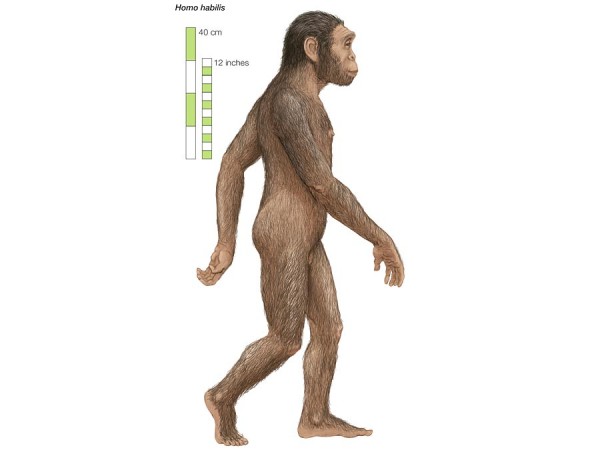
homo habilisQuite a few people are now eating healthy by adopting a raw food diet. This can be a positive step for many people as it leads them to eat more fruit and vegetables, less processed starches, and less meat. However we Chinese Medicine folk have some reservations about the value of eating only raw food. We aren’t fond of extremes, and think that a balanced diet with moderate amounts of all foods is healthy for most people. Chinese Medicine also views digestion as being something like cooking, and cooking as being a form of pre-digestion. We’re big on soups and stocks, seasonal foods, and small quantities of rich, flavoursome meats and sweets.
It may be that more nutrients can be measured in a raw carrot than a cooked one, but measured nutrients are not always available in a form that humans can digest and use. A lot of nutrients can be measured in grass, but they’re not bioavailable to humans. Cows will be healthy eating it but not us. Nor are we ‘designed’ to eat raw foods – humans have been cooking their food for at least 2.1 million years and were quite different to us back then. Technically they weren’t even the same species. The picture is of our earliest cooking forebearers.
Some people do feel better eating more raw foods. Most of them should balance the cool nature of uncooked food by using plenty of warming spices, and drinking chai, black tea or pu-erh instead of green tea. A small amount of warming alcohol now and then would help. Fresh juices are nutrient packed but more healthy with some ginger or cardamon, some sour or bitter flavour with the sweetness. A cup of juice is easier to process than half a litre of juice, which would tend to overwhelm the digestion with its sweetness and damp. The main thing is self-awareness and being in tune with oneself. Someone who eats a lot of raw food and feels cold all the time, or has pains that are improved by warmth, who finds that food tastes bland, or has loose stools, or copious urine, should reconsider a choice that they have made on the basis of outside information, and eat a bit more cooked food.
Could a raw food diet be balanced out by daily hot yoga? Maybe that’s like asking if a speedball is going to be healthier than its components.

Filed Under: Uncategorized

  • « Previous Page
  • 1
  • 2

Call:

0450 676 647


Find us:

Suite 8, London Court, 647 Hay St, Perth WA 6000

WordPress Google Maps Plugin

Message us:

We shall respond promptly.