Betterness Acupuncture & Herbs

  • Practitioners
    • Dr Giles Sadler (TCM)
  • Consultations
  • Therapies
    • Acupuncture
    • Herbal medicine
    • Cupping
    • Scraping
    • Moxibustion
  • Common conditions
    • pain
    • back pain
    • knee pain
    • Migraine prevention
    • IBS acupuncture and herbs
    • Women’s Health
    • fertility – conceive naturally
    • Recurrent UTI’s
    • Plantar fasciitis
    • hayfever acupuncture
    • jaw problems
  • Posts
  • FAQs

January 11, 2021 by Giles

IBS acupuncture and herbs

fix IBS eat all the foods
I’ve mentioned IBS in previous posts have about how emotions can affect our digestion, and how low FODMAP diets should be temporary. This is the post that focuses on IBS.

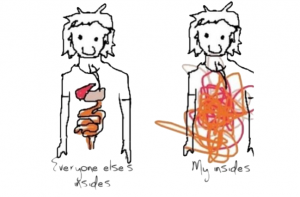
IBS is abdominal pain and bloating, and altered bowel habits, that do not have an identifiable physiological cause. Conventional medicine recognises some connection between IBS and emotional state (1,2) and it has begun to consider it to be a dysfunction of the brain-gut axis, but as I’ve written elsewhere the Chinese model doesn’t separate the psychological and somatic so our approach always considers emotional involvement. All physical complaints are thought to have a non-physical aspect, and all mental and emotional disturbances have the potential to affect us physically. This is what makes the tools of Chinese medicine particularly appropriate when these affects are strong, as they often are with IBS.

Many people with IBS are unsatisfied with conventional treatments and seek alternatives, including acupuncture and Chinese herbal medicine (3). A recent review(*) of published studies found that there were clinical trials that showed that acupuncture was more effective at relieving IBS symptoms than pharmacological medicine, and that acupuncture combined with herbal medicine “had the highest probability of being the best option for improving global IBS symptoms”(3). While the authors thought that the evidence wasn’t strong enough to make them certain that acupuncture treats the symptoms of IBS effectively, they did recommend that IBS patients who were intolerant of the side effects of standard pharmacological treatment consider using acupuncture and related therapies.

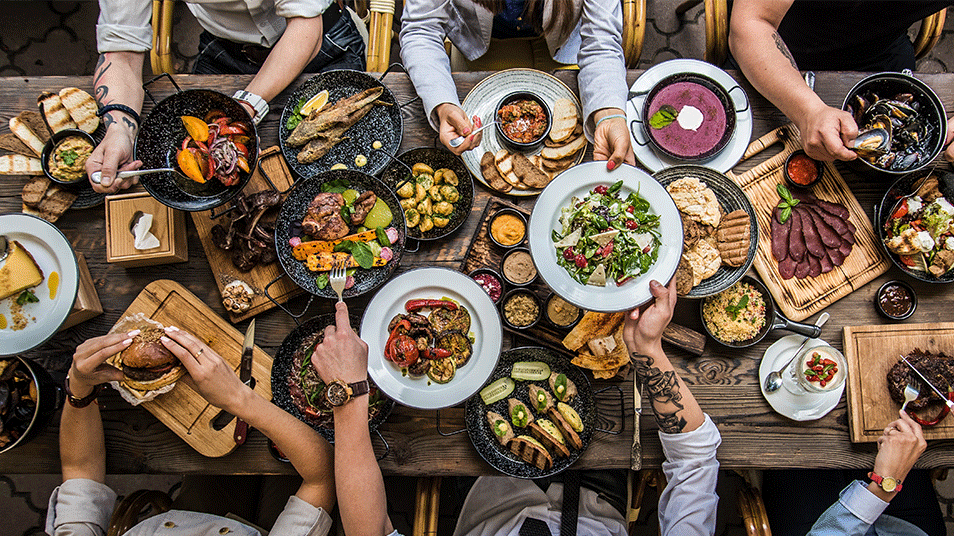
The illustration is of people eating a wide range of foods. Many people find that restricting their diets helps with their IBS symptoms. Our goal is to strengthen the digestion so that they can go back to eating all the foods.

* Actually a review of reviews. But that’s a bit meta to write in a blogpost.

  1. Savas LS, White DL, Wieman M, Daci K, Fitzgerald S, Laday Smith S, Tan G, Graham DP, Cully JA, El-Serag HB. Irritable bowel syndrome and dyspepsia among women veterans: prevalence and association with psychological distress. Aliment Pharmacol Ther. 2009 Jan;29(1):115-25. doi: 10.1111/j.1365-2036.2008.03847.x. Epub 2008 Sep 9. PMID: 18785989; PMCID: PMC2939246.
  2. Lee SP, Sung IK, Kim JH, Lee SY, Park HS, Shim CS. The effect of emotional stress and depression on the prevalence of digestive diseases. J Neurogastroenterol Motil. 2015;21(2):273-282. doi:10.5056/jnm14116
  3. 1. Wu IXY, Wong CHL, Ho RST, et al. Acupuncture and related therapies for treating irritable bowel syndrome: overview of systematic reviews and network meta-analysis. Therapeutic Advances in Gastroenterology. January 2019. doi:10.1177/1756284818820438
Filed Under: Common conditions Tagged With: abdominal pain, altered bowel habits, bloating, eat all the foods, IBS, IBS-C, IBS-D, irritable bowel syndrome

August 26, 2018 by Giles

happy belly good digestion

It seems to be common sense that our happiness affects our health, and consequently our digestion. And language has many examples of relating mental and emotional states with our alimentary tract. A shock can hit us in the guts, considered thinking is chewing things over or ruminating, we have gut feelings, and Australians say that things or people give them the shits. But while mainstream doctors may see this, conventional medicine’s empirical paradigm doesn’t allow the recognition of phemomena that it can’t measure, so there was often a tendency to label illnesses without clear somatic causes as neurotic. (1)
But there is new understanding of how gut flora can affect both our digestion and mood, and how poor mental/emotional states such as depression can change our gut flora and impact our digestion (2). So conventional medicine has a way to discuss the link between how we feel and how well we digest things. There are even starting to be scientific papers with titles like ‘Gut Feelings’.
Chinese medicine has always seen this connection because its model is not entirely materialistic. Each physiological system is associated with an aspect of the psyche, and with an emotion that interferes with the proper functioning of that physiological system. For example the system that transforms our food into nutrients is affected by worry, and the system that tries to stop us from getting uptight about life’s stresses gets stuffed up by anger and frustration. Just like the links between emotions and physiological function through gut flora, it works both ways. So poor digestion can bring more worry, and failure to relax can lead to more anger and frustration. To make things worse, these two physiological systems are linked, so weak digestion can make us less able to relax, and internalising stress too much, getting angry and frustrated, affects our digestion.


There are some traditional combinations of medicinals that illustrate how Chinese Medicine has always seen the link between our happiness and our digestion.
Tong Xie Yao fang 痛瀉要方 (Important Formula for Painful Diarrhoea) was composed in 1481. It targets abdominal pain and rumbling, with urgent diarrhoea that can relieve the pain. This is a manifestation of weak digestion that has been disrupted by pent-up emotions. Not surprisingly it is the basis of many prescriptions for IBS with pre-dominant diarrhoea and it has been found that it could be superior to routine pharmacological treatment for this condition.(3)

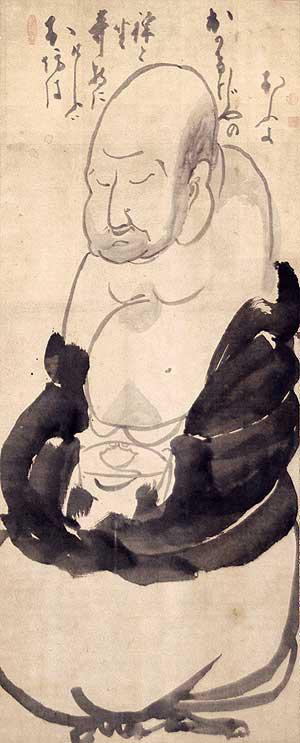
Conversely, anger, resentment, frustration, pent-up emotions, and not letting things go may manifest physically as impeded elimination. Liu Mo Yin 六磨湯 is a combination of medicinals that addresses constipation that results from us letting our emotions block us up quite literally. It uses herbs that gently move things through the digestive tract, but which also assist flow generally, in the sense that they relieve the general mental and physiological stagnation that is both the result of us not properly dealing with stress, and a contributing factor to our inability to do so.


More immediately the way we eat can help us digest better. We should be happy and relaxed, ideally with good company, and the Chinese even think it best to talk about how delicious the food is. Save the horror movies, the news and current affairs, political discussion and family arguments for after dinner.

  1. Though for some years a link was made between personality type and cardiovascular disease, without there being a convincing explanation of how they could be linked. Of course this link was disputed by many.

  2. JA Bravo, M Julio-Pieper, P Forsythe, W Kunze, TG Dinan, J Bienenstock, JF Cryan. “Communication between gastrointestinal bacteria and the nervous system” Current Opinion in Pharmacology Volume 12, Issue 6, December 2012, Pages 667-672
  3. Yun-kai Dai, Dan-yan Li, Yun-zhan Zhang, Meng-xin Huang, Yi-le Zhou, Jin-tong Ye, Qi Wang, Ling Hu. ‘Efficacy and safety of Modified Tongxie Yaofang in diarrhea-predominant irritable bowel syndrome management: A meta-analysis of randomized, positive medicine-controlled trials.’ PLOS Published: February 6, 2018 https://doi.org/10.1371/journal.pone.0192319

Filed Under: blog Tagged With: constipation, digestion, emotions, IBS

April 7, 2017 by Giles

low FODMAP diets aren’t forever

ibs gut

Most IBS sufferers would have heard of the low FODMAP diet. Many would have tried it. [Read more…]

Filed Under: blog Tagged With: diet, FODMAP, gut flora, gut health, healthy food, IBS, microbiome, pre-biotics

Call:

0450 676 647


Find us:

Suite 8, London Court, 647 Hay St, Perth WA 6000

Message us:

We shall respond promptly.